Contact-neutral: Difference between revisions
Jump to navigation
Jump to search
The Admins (talk | contribs) for now |
The Admins (talk | contribs) No edit summary |
||
| (8 intermediate revisions by the same user not shown) | |||
| Line 1: | Line 1: | ||
{{MAI}}__NOTOC__'''Contact-neutral''' (or '''neutral-contact''' or '''neutral-c''') is a term used to describe a person - often a [[Minor Attracted Person|MAP]] or ally, as expressing no opinion on minor-adult physical/sexual relations. Those who are contact-neutral oppose being labeled as '''[[anti-contact]] (anti- | {{MAI}}__NOTOC__'''Contact-neutral''' (or '''neutral-contact, contact-agnostic''' or '''neutral-c''') is a term used to describe a person - often a [[Minor Attracted Person|MAP]] or ally, as expressing no decisive opinion on minor-adult physical/sexual relations. Those who are contact-neutral oppose being labeled as '''[[anti-contact|anti-c]] (anti-contact)''' or '''[[pro-c]] (pro-[[consent]]/choice/contact)'''. | ||
There are many reasons one may identify as contact-neutral, such as not having developed a strong opinion, the refusal to participate in contact discourse, and/or wanting to remain apolitical. | |||
Some [[Essay:Pro-Reform: The Rational Middle Ground|pro-reform]] individuals also use "neutral-c", because while they favor changes in social attitudes on relations between minors and adults, they believe changes to laws must follow the addressing of power imbalances for example. | |||
==Contact-neutral organizations== | ==Contact-neutral organizations== | ||
*[[B4U-ACT]] - takes a neutral stance on contact discourse, preferring to focus on mental health and the stigma of minor-attraction. | *[[B4U-ACT]] - takes a neutral stance on contact discourse, preferring to focus on mental health and the [[Research: The Dangers of Stigma|stigma]] of minor-attraction. | ||
*Various community forums, chats and [[Pediverse|instances]] have resorted to banning pro-c and sometimes also anti-c commentary to maintain decorum. These communities tend to lean anti-c both in their management and membership. "Pro-reform" individuals generally oppose these limitations. | |||
==See also== | ==See also== | ||
Latest revision as of 12:19, 16 June 2024
 | |||||||
| Part of NewgonWiki's series on minor-attracted identities | |||||||
|---|---|---|---|---|---|---|---|
|
| |||||||
| Starting Guide | Community | Pediverse MAP | NOMAP | AAM | Neologisms "MAP" Origins | Flag | Movement Political history: MAP & LGBT Alliances Philias: Ephebo - Hebe - Pedo - Nepio Gender and attraction: BL - EL - GL Pederasty/Gay BL | Korephilia/Lesbian GL Pro-c | Neutral-c | Anti-c BLogo | GLogo | |||||||
|
| |||||||
| Category: Minor-attracted people | |||||||
| Template:MAI - This template |
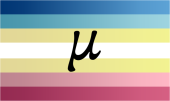
Contact-neutral (or neutral-contact, contact-agnostic or neutral-c) is a term used to describe a person - often a MAP or ally, as expressing no decisive opinion on minor-adult physical/sexual relations. Those who are contact-neutral oppose being labeled as anti-c (anti-contact) or pro-c (pro-consent/choice/contact).
There are many reasons one may identify as contact-neutral, such as not having developed a strong opinion, the refusal to participate in contact discourse, and/or wanting to remain apolitical.
Some pro-reform individuals also use "neutral-c", because while they favor changes in social attitudes on relations between minors and adults, they believe changes to laws must follow the addressing of power imbalances for example.
Contact-neutral organizations
- B4U-ACT - takes a neutral stance on contact discourse, preferring to focus on mental health and the stigma of minor-attraction.
- Various community forums, chats and instances have resorted to banning pro-c and sometimes also anti-c commentary to maintain decorum. These communities tend to lean anti-c both in their management and membership. "Pro-reform" individuals generally oppose these limitations.