Research: Intergenerational Sexual Behaviors in Animals
 | ||||||||||||
| Part of NewgonWiki's research project | ||||||||||||
|---|---|---|---|---|---|---|---|---|---|---|---|---|
|
| ||||||||||||
| ||||||||||||
|
| ||||||||||||
| Template: Research - This template |
Intergenerational sexual activity has been documented in numerous species, particularly closely related primates. Bonobos are one example - see, nature documentaries and home movies: (1), (Backup)
While this should not be interpreted as an instruction on how humans should behave, it does cast doubt on the biological necessity of arbitrary, morality-based prohibitions against age-discrepant behavior.
Biological Exuberance
The following are excerpted from Biological Exuberance - Animal Homosexuality and Natural Diversity by Bruce Bagemihl (2000).
Heterosexual
- Bonobo: "Both adult males and females interact sexually with adolescents and juveniles (three-to-nine-year-olds). In fact, young females go through a five-to-six-year period sometimes referred to as ADOLESCENT STERILITY (although no pathology is involved) during which they actively participate in heterosexual mating (often with adults) but never get pregnant. Sexual behavior between adults and infants of both sexes is common - about a third of the time it is initiated by the infant and may involve genital rubbing and full copulatory postures (including penetration of an adult female by a male infant). (Biological Exuberance - 274)
- Chimpanzee: Although incestuous matings between adults are not common, mothers engage in sexual activity with their infant son fairly often. Young females typically experience a one-to-three-year period of ADOLESCENT STERILITY after their first menstruation, during which time they mate heterosexually without conceiving. (Biological Exuberance - 278)
- Gorilla: "Both males and females also engage in masturbation, and younger animals frequently participate in nonpenetrative sexual activity. Mountings of the latter type are usually incestuous, involving siblings, half siblings, or (more rarely) parents and their offspring (or their siblings' offspring)." (Biological Exuberance - 283)
- Orangutan: "Mothers frequently engage in incestuous contact with their infants, manually or orally stimulation the penis or clitoris (or being stimulated by the infant), and may even mount the infants." (Biological Exuberance - 287)
- Gibbons (White-handed gibbon and Siamang): "In one case, a Siamang father was observed fondling his adolescent daughter's vulva with his fingers while her younger brother licked her clitoris. Mothers may invite their juvenile sons - as young as four to five years - to lick and groom their genitals (usually with no hostile reaction from the father)." (Biological Exuberance - 291)
- Langur and Nilgiri Langur (Presbytis entellus and Presbytis johnii): "Females also occasionally mount males, while adult-juvenile heterosexual interactions also occur." (Biological Exuberance - 296)
- Japanese Macaque: "Females in some troops frequently form consortships with sexually immature (preadolescent) males;..." [...] "In some troops, a unique form of "baby-sitting" has developed. Although males in this species do not typically participate in parenting, high-ranking males in some populations take care of infants that are not their own for short periods. They groom, carry, embrace, and protect the infants, usually with the consent of their mothers. [...] ,a few male caretakers interact sexually with infants (usually females), masturbating themselves while carrying them or even thrusting against them. (Biological Exuberance - 305)
- Rhesus Macaque: "In some cases, though, "aunts" engage in aggressive or sexual interactions with the infants as well and may even try to "kidnap" another female's baby." (Biological Exuberance - 310)
- Crested-Black Macaque (Macaca Nigra): "Infant and very young male Crested Blacks often mount adult females, performing pelvic thrusts and even achieving penetration. " (Biological Exuberance - 322)
- Savanna Baboon, Hamadryas Baboon: "Sexual activity in Baboons also sometimes includes copulation with partners that are not optimal for breeding: adult male Savanna Baboons and adult female Hamadryas Baboons may mate with juvenile animals, incestous matings are common in inbred troops [...]" (Biological Exuberance - 327)
- Tamarin and Marmosets: "Both male and female Lion Tamarins (Leontophitecus rosalia) sometimes mount their own offspring of both sexes, including adolescent and younger individuals. Approximately 1 percent of mounting activity in Common Marmosets (Callithrix jacchus) occurs among adolescent and younger males." (Biological Exuberance - 334)
- Dolphin: "Young dolphins are sexually precocious, and incestuous copulation have been observed between males a few months and their mothers." (p. 346) [...] "In captivity, "baby-sitting" males have been observed harassing mothers, trying to "kidnap" their calves, and even behaving sexually towards the infants "including trying to mate with them). (Biological Exuberance - 347)
- Orca: "[...] while heterosexual interactions also occur between adults and adolescents (of both sexes) and youngsters (juveniles as well as calves)." (Biological Exuberance - 351)
- Northern Elephant Seal (Mirounga angustirostris): "As noted above, some male Northern Elephant Seals routinely try to copulate with weaned pups - about half of all pups are subjected to such forced mating or rape attempts, which they usually violently resist. In some cases the pups are severely injured by the bulls, with deep gashes and punctures from neck bites. Aggressive sexual behavior by bulls is the leading cause of mortality among pups on the breeding grounds, accounting for the deaths of about 1 in 200 pups each year." (Biological Exuberance - 363)
- Northen Fur Seal (Callorhinus Ursinus): "[...] male Northern Fur Seals have also been known to attempt forcible copulations with pups of their own species." (Biological Exuberance - 369)
- White-tailed Dear (Odocoileus virginianus) and Mule or Black-Tailed Deer: "Incestuous activity - including fawns mounting their mothers - also occurs in these species." (Biological Exuberance - 381)
- Wapiti, Elk, or Red Deer and Barasingha (Cervus elaphus) or Swamp Deer (Cervus duvauceli): "Sexual behavior by calves - including adult-calf interactions - also occurs in these species. Wapiti/Red Deer calves sometimes mount adults (including their mothers, in Red Deer), while female Red Deer occasionally mount calves." (Biological Exuberance - 385)
- Caribou or Reindeer (Rangifer tarandus) and Moose (Alces Alces): "Males of booth species sometimes try to mount calves [...]" (Biological Exuberance - 389)
- Giraffe: "Giraffes engage in a few forms of nonprocreative heterosexual activity as well: younger females in heat occasionally mount male calves, while calves sometimes mount their mothers." (Biological Exuberance - 393)
- Blackbuck (Gazelle, Antilope cervicapra): "Female Blackbucks sometimes engage in nonreproductive mounts of fawns or young animals." (Biological Exuberance - 404)
- Bighorn Sheep (Ovis canadensis), Thinhorn or Dall's Sheep (Ovis dalli) and Asiatic Mouflon or Urial (Ovis orientalis): "Rams also sometimes mount lambs [...]" (Biological Exuberance - 408)
- Musk-Ox and Mountain Goat: "Even during breeding years, some heterosexual courtship activity in both Muskoxen and Mountain Goats may be directed by males toward nonprocreating individuals such as yearlings and calves. [...] Females in this species have been observed mounting adult males and courting, mounting, or being mounted by their own yearlings or kids." (Biological Exuberance - 412)
- Plains Zebra (Equus quagga) and Takhi or Przewalski's horse (Equus przewalskii): "In addition, male Plains Zebras often try to mate with unrelated juvenile females that are not yet sexually mature. In fact, stallions - alone or in groups of up to 18 at a time - may "abduct" adolescent females by separating and chasing them from their family groups, after which they will try to copulate with the young mares. Interestingly, the female shows the behavioral signs of being "in heat" before she reaches the age when she can actually conceive; usually an "abducted" mare returns to her family group after her period of "heat" is finished. [...] Although Takhi males are not as involved in parenting as mares, a stallion may act as a "surrogate mother" to his own foal if it has lost its mother, even allowing the foal to "suckle" on his penis sheath." (Biological Exuberance - 420)
- Llama: "Adult males occasionally copulate with yearling females, who are probably not old enough to breed." (Biological Exuberance - 426)
- Elephant (Afrikanska and Asiatiska): "In addition, males sometimes try to mount juvenile animals, who squeal in protest until a female intervenes." (Biological Exuberance - 430)
- Laughing Hyena: "Some males, unable to copulate, engage in a form of "masturbation" in which they thrust their penis in the air and spontaneously ejaculate; others have been seen mounting cubs." (Biological Exuberance - 447)
- Rufous Bettong or Rat Kangaroo (Aepyprymnus rufescens): "For example, adult males generally make more sexual approaches to juvenile females than to sexually adult females." (Biological Exuberance - 454)
- Fat-Tailed Dunnart (Sminthopsis Crassicadudata): "Adult male Fat-Tailed Dunnarts sometimes display sexual interest in juvenile females, and incestuous matings have also been recorded." (Biological Exuberance - 459)
- Red Squirrel (Tamaiasciuris hudsonicus) and Gray Squirrel (Sciurus carolinensis): "Juveniles, of both species often participate in mounting or sexual chases, for example, including incestuous activity between siblings or mothers being mounted by their offspring." (Biological Exuberance - 463)
- Hoary Marmot (Marmot caligata): "Sexual activity also occurs among juveniles, including mounting of adults." (Biological Exuberance - 466)
- Dwarf Cavy (Microcavia australis), Cui (Galea musteloides) and Aperea (Cavia aperea): "As mentioned above, sexual behavior between adults and juveniles is widespread in these species. About a quarter of all courtship and sexual interactions in Dwarf Cavies involve adult males and juveniles, while adult male Cuis also chin-rump follow juvenile females as young as two weeks old. In addition, juvenile Cuis of both sexes sometimes mount both adult males and females, including their own mothers. [...] Adult males in two other species of Cavies, the Mocó or Rock Cavy (Kerodon Rupestris) and the Préa (Galea Spixii), also sometimes court juvenile males, and youngsters mount adults of both sexes as well." (Biological Exuberance - 469)
- European Shag (Phalacrocorax Aristotelis): "In a few cases, adult male Shags have been observed mating with their own chicks [...]" (Biological Exuberance - 507)
- Tasmanian Native Hen (tribonyx mortierii): "[...] about 10 percent of copulation involve parents mounting their own offspring, including young chicks." (Biological Exuberance - 521)
- Ring-Billed Gull (Larus delawarensis) and Common or Mew Gull (Larus canus): "[...] and about 5 percent of adults court and mount chicks. Most of this activity involves females behaving incestuously with their own offspring, including full copulatory REVERSE MOUNTS of young birds. Mounted chicks may be as young as two weeks old, and they usually collapse under the weight of the adult mounting them and cry out in distress. Some individuals appear to be "habitual molesters" in that they repeatedly interact sexually with chicks, including their own." (Biological Exuberance - 547)
- Herring Gull (Larus Arentatus): "Several forms of heterosexual family abuse and adult-juvenile violence have also been documented in Herring Gulls. Males sometimes incestuously mount their own chicks and have even been seen breaking and eating their own eggs." (Biological Exuberance - 555)
- Black-Headed Gull (Larus Ridibundus): "In addition, males occasionally try to mate with chicks (including their own), who may be only a few days old; juveniles also mount each other)." (Biological Exuberance - 559)
Homosexual
- "And in the majority of cases, male and female homosexualities present their own unique blends of behaviors and characteristics that defy any simplistic categorization - such as Bonobos, where sexual penetration occurs in female rather than male same-sex activity, where sexual interactions between adults and adolescents are a prominent feature of female interactions, and where males do not form strongly bonded relationships with each other the way females do, but engage in less homosexual activity overall and more affectionate activity such as openmouthed kissing." (Biological Exuberance - 30)
- Bonobo: "GG-rubbing occurs among females of all ages, from adolescent to very old, but if an older and a younger female are interacting, often the younger female will be on top. (p. 271) [...] In addition, when new females (usually adolescents) join a troop, they often pair up with an older female with whom they have most of their sexual and affectionate interactions. These bond need not be exclusive - either party may have sex with other females or males - but such mentorlike pairings can last for a year or more until the newcomer is fully integrated into the troop. [...] Manual stimulation of the genitals by a partner also occurs: typically an adolescent male spreads his legs and presents his erect penis to an adult male, who takes the shaft in his hand and caresses it with up-and-down movements." (Biological Exuberance - 273)
- Gorilla: "There is often intense competition among the males for "preferred" partners - often the younger males - and older, higher ranking males frequently "guard" their favorite males and fight to protect them from the advances of other males." (Biological Exuberance - 281)
- White-Handed Gibbon (Hylobates lar) and Siamang (Hylobates syndactylus): "Within their nuclear family groups, male Gibbons sometimes engage in homosexual activities with each other. This incestuous activity often takes place between adolescent or younger male and his father (or stepfather, if his parents have divorced and re-paired); in Siamangs it may also occur between brothers." (Biological Exuberance - 289)
- Hanuman Langur (Presbytis entellus) and Nilgiri Langur (Presbytis Langur): "All females participate freely in homosexual mounting, including lactating, pregnant, menstruating, ovulating, and nonovulating females. This behavior is especially common among mothers, who have developed a special "baby-sitting" system: they transfer their young to other individuals in the troop (usually other females but sometimes males) for a short time (a similar pattern is found in Nilgiri Langurs). This allows them to engage in homosexual (and other) activites. Most mounting between females occurs among adults, through some involves adults with juveniles (up to four years old), usually with the younger female mounting the older one. Altough most homosexual participants are unrelated, some mountings are incestous, mostly between half sisters (about 27 percent of all lesbian mounts) and more rarely, between mother and daughter (about 1 percent of mounts); heterosexual matings are virtually never incestuous." (Biological Exuberance - 294-295)
- Japanese Macaque (Macaca fuscata): "Homosexual pairings occur among females of all ages, from adolescents to the very old, and sometimes an adult female will pair with a pubescent female. Interestingly, an incest taboo is in effect for homosexual but not heterosexual courtships: females never choose close relatives (mothers, sisters, daughters, granddaugthers, first cousins) as partners, whereas brother-sister and mother-son consorts do occasionally occur. Aunts and nieces, however, do not generally recognize each other as kin in this species, and so they sometimes consort together." (Biological Exuberance - 303)
- Crab-Eating Macaque (Macata fascicularis): "Males can also develop intense sexual relationships with one another, especially between older and younger males. In one such pair observed in captivity, affectionate embraces frequently led to sexual arousal and homosexual mounting, often accompanied by excited lip-smacking or crooning sounds; the male being mounted sometimes even turned his head to kiss his partner during a mount." (Biological Exuberance - 317)
- Pig Tailed Macaque (Macaca nemestrina): "Some same-sex mountings is incestuous, e.g., between mother and daughter or siblings of either sex." (Biological Exuberance - 321)
- Crested Black Macaque (Macaca nigra): "Younger males often mount older ones in this species." (Biological Exuberance - 321)
- "Baboon" (other species): "Among the Patas Monkeys (Erythrocebus patas), adolescent and younger males often fondle and nuzzles the scrotum and genitals of adult males." (Biological Exuberance - 328)
- (Common) Squirrel Monkey (Saimiri sciureus): "Homosexual mounting sometimes occurs between male Squirrel Monkeys, especially younger individuals or between an older and younger (adult) partner; adult males also perform the genital display to each other." (Biological Exuberance - 332)
- Lion Tamarins (Leontopithecus rosalia) and White-fronted Capuchin Monkeys (Cebus Albifrons): "Both male and female Lion Tamarins (Leontopithecus rosalia) sometimes mount their own offspring of both sexes, including adolescents and younger individuals. Approximately 1 percent of mounting activity in Common Mamosets (Callithrix Jacchus) occurs among adolescent and younger males (brother living in the same family group). In White-fronted Capuchin Monkeys (Cebus Albifrons), young males occasionally suck and fondle the scrotum of older males, while homosexual activity among females (including mounting) also occurs in Brown Capuchins (C. apella) and Weeper Capuchins (C. olivaceous)." (Biological Exuberance - 334)
- Verreaux's Sifaka (Propithecus Verreauxi): "Male Verreaux's Sifakas sometimes mount other males during the mating season. The mounted animal - usually a younger adult or adolescent male - often snaps at the mounter and tries to wriggle free (as do females trying to escape from unwelcome heterosexual advances)." (Biological Exuberance - 336)
- Bottlenose Dolphin (Tursiops truncatus) and Spinner Dolphin (Stenella lingirostris): "If there is an age difference between male partners, either may penetrate the other, and Bottlenose adolescents have even been observed penetrating much older males." (Biological Exuberance - 343)
- Orca (Orcinus orca): "Altough males of all ages participate in homosexual activities, this behaviour is most prevalent among "adolescent" Orcas (sexually mature individuals 12-25 years old) More than three quarters of all sessions involve males who are more than five years apart in age, altough age-mates also interact together (especially among adolescents)." (Biological Exuberance - 350)
- Gray Seal (Halichoerus grypus) and Northern Elephant Seal (Mirounga angustirostris): "Those males who have completed their molt often roll around in pairs near the water and mount each other; bulls of all ages participate in this activity. Both adolescent and younger adult Northern Elephant Seal bulls also engage in homosexual mounting during the molt period. This occurs in shallow waters near the shore, often as part of extended bouts of harmless playfighting among clusters of males. [...] Adult males do not participate in this activity. However, they do sometimes mount younger adolescent and juvenile males (two to four years old). Typically the older male approaches the younger male at rest, moving up alongside him and sometimes placing his front flipper over his back in the position characteristic of heterosexual copulations. Usually the younger male struggles to escape, and the mounter may try to subdue him by pressing or bouncing his neck down on top of him or biting his neck. The older male may have an erection and attempt to penetrate the younger male, but he rarely succeeds. Altough they prefer juveniles or adolescents, a few bulls also try to copulate with much younger animals, such as weaned pups of both sexes (who strongly resist their advances)." (Biological Exuberance - 361)
- Australian Sea Lion (Neophoca cinerea) and New zealand Sea Lion (Phocarctos hookeri): "All age groups participate, altough there is often an age difference between the two males, with the younger male typically mounting the older one (especially in New Zealand Sea Lions)." (Biological Exuberance - 367 - 368)
- Walrus (Odobenus Rosmarus): "Typically a younger male displays to an older one, and courting males often situate themselves in the water near a favorite cliff face, boulder, or rock formation at the water's edge. The spectacular display consists of inflation of the throat pouches - often preceded by head bowing - interspersed with dives by one or both males, and an incredible series of vocalizations that form a courtship "song". (p. 371) [...] Although most homosexual behaviour is confined to the summer haul-outs, younger males sometimes also mount adults or other younger males during the breeding season. Groups of younger Walruses may crowd around an older male and roll on top of him; in addition, an adult male occasionally sings his courtship songs to a group of younger males or is accompanied by a younger attendant male while he sings. Often, his companion surfaces and dives in synchrony with him. This behavior, known as SHADOWING, occurs regardless of whether the adult is courting a female. [...] During breeding season, up to a third of mounting activity may take place between younger males or between adult and younger males, and 2-19 percent of singing males have a younger male companion "shadowing" them." (Biological Exuberance - 372)
- White-Tailed Deer (Odocoileus virginianus): "Adult male White-tailed Deer sometimes mount each other, as do yearling males (especially during the nonbreeding season); occasionally a younger male mounts an older one during this activity." (Biological Exuberance - 379)
- Wapiti, Elk, or Red Deer (Cervus elaphus) and Barasingha or Swamp Deer (Cervus duvauceli): "Usually the two animals engaging in same-sex activity are fully grown adults, but in male Wapiti homosexual mounting may occur between adult bulls and spikehorns (yearlings whose antlers are spikes, having yet to develop prongs). Red Deer yearlings also participate in same-sex activity including occasional incestuous homosexual mountings by females of their mothers." (Biological Exuberance - 383 - 384)
- Caribou or Reindeer (Rangifer tarandus) and Moose (Alces alces): "Caribou sometimes mount each other, as do younger males, while yearling Moose have been observed trying to mount adult bulls. In addition, bull Moose sometimes associate with younger male companions." (Biological Exuberance - 388)
- Pronghorn (Antilocapra americana): "Males of all age groups participate in homosexual courtship and mounting, although adult males usually direct their attentions to adolescent males. Mounting between males sometimes occurs during sparring or play-fighting as well." (Biological Exuberance - 394)
- Bighorn Sheep (Ovis canadensis) and Thinhorn or Dall's Sheep (Ovis dalli): "Typically an older, higher ranking male will court a male younger than him, using a sequence of stylized movements." (Biological Exuberance - 406)
- Mountain Goat (Oreamnos americanus): "Adult male Mountain Goats court younger (yearling) males, again using the species typical heterosexual behavior patterns: the courting male approaches the other in a crouching position, creeping on his stomach with his head stretched forward (a posture referred to as the LOW-STRETCH). He may also flick his tongue in and out of his mouth while making soft bussing sound, jerk his head sideways, and attempt to lick the other male's flanks. Typically the yearling male responds aggressively to the courting adult. Adult males occasionally perform this display toward other adults as well. In addition, yearling females sometimes mount their own mothers. [...] In contrast, yearling Mountain Goats that are courted by older males are primarily heterosexuals, since they reject most same-sex advances." (Biological Exuberance - 411)
- African Elephant (Loxodonta africana) and Asiatic Elephant (Elephas maximas): "Homosexual mating lasts about the same lenght as heterosexual mating, generally less than a minute, altough one male may mount another several times in succession. Both older bulls and younger males participate in this activity. [...] Male Elephants also form "companionships" usually composed of an older bull and an attendant younger male (in contrast, there are no long-lasting heterosexual bonds in these species). In African Elephants, the younger male often helps the older one by guarding him or pulling down branches for him; in other cases, the older bull may help a younger male (or vice versa) who is injured or suffering from blindness of paralysis. The two males are constant companions and generally isolated from other Elephants; occasionally, an older bull will have two attendants. Among Asiatic Elephants, such male companionships appear not to be as long-lasting as in African Elephants. Younger attendant males in African Elephants are sometimes reported to have enlarged genitalia." (Biological Exuberance - 428 -429)
- Spotted Hyena (Crocuta crocuta): "Homosexual mounting between females also occur in this species; in some cases an adolescent or younger adult mounts an older one." (Biological Exuberance - 446)
- Rufous Bettongs or Rat Kangaroo (Aepyprymnus rufescens): "Some homosexual interactions in Rufous Bettongs involve adult females courting and mounting juvenile females and vice versa." (Biological Exuberance - 454)
- Gray Squirell (Sciurus carolinensis): "Gray Squirells are sequentially or chronologically bisexual: juveniles, adolescents, and young adults (up to one and a half years old) show a preference for homosexual activity, while older adults generally exhibit much less same-sex mountings." (Biological Exuberance - 463)
- Dwarf Cavy (Microcavia australis), Cui or Yellow-Toothed Cavy (Galea musteloides) and Aperea or Wild Cavy (Cavia Aperea): "In Dwarf Cavies, adult males are sexually attracted to juveniles of both sexes. A typical homosexual courtship begins with the adult and the younger male sitting quietly together - often right in front of the youngster's mother, who is not visibly disturbed. The two males may kiss and nuzzle their noses together, after which the adult begins to gently nibble on the juvenile's rump. This is often followed by a courtship behavior known as CHIN-RUMP FOLLOWING, in which the adult male places his chin on the youngster's rump, as they move together in circles or figure-eight patterns. If the male is especially aroused, he will stop to pat his paws against the juvenile's rump, sometimes even licking, sniffing, and nuzzling the anus and perineal region while lifting up the youngster's hindquarters with his nose. Adult males frequently have favorite males that they prefer to court and interact sexually with, actively seeking them out while ignoring others. (p. 467) [...] Adult male Apereas sometimes court younger males by RUMPING, in which the adult throws one or both hind legs over the rump of the youngsters. [...] Adult males occasionally also have an adolescent companion; the two males sit and feed together, as well as kiss one another. Sometimes the adult male will permit his companion to mount a female that he is courting. (p. 468) [...] Adult males in two other species of Cavies, the Mocó or Rock Cavy (Kerodon rupestris) and the Preá (Galea spixii), also sometimes court juvenile males, and youngsters mount adults of both sexes as well." (Biological Exuberance - 469)
- Ring-Billed Gull (Larus delawarensis): "For example, one or both partners in a homosexual pair are often younger females: couples in which there is an age difference between the two females - one an adult, the other an adolescent or younger adult - are particularly common in some populations." (Biological Exuberance - 545)
- Guianan Cock-of-the-rock (Rupicola rupicola): "Homosexual activity between adult and adolescent males, as well as among adolescent males, is a routine occurence in Guianan Cock-of-the-Rock. Males court and display to each other, as well as engage in homosexual mounting. (p. 567) [...] If an adolescent male approaches an adult who is courting a female, the female usally leaves (or is chased away), and the two males turn their attentions to each other." (Biological Exuberance - 568)
- Swallow-Tailed Manakin (Chiroxiphia caudata): "Male Swallow-tailed Manakins perform an elaborate group courtship ritual, the JUMP DISPLAY. Sometimes this display is directed toward females, sometimes toward yearling or younger adult males (the latter resembling females in their green plumage, but distinct because of their red-orange caps), and less commonly toward another adult male." (Biological Exuberance - 572)
- Bicolored Antbird (Gymnopithys bicolor) and Ocellated Antbird (Phaenostictus mcleannani): "Homosexual pair-bonds are sometimes long-lasting associations, persisting for many years. Partners may both be adults, or an older bird may pair with a younger one. In Ocellated Antbirds, father-son courtship-feedings also sometimes occur when a younger male remains within the clan structure." (Biological Exuberance - 576)
Rind's cross-species summary
Bruce Rind's article on Pederasty(2013) [1] contains excellent cross-cultural and cross-species summary tables of intergenerational male homosexuality (the tables also are in the graphic excerpts library below). Here is the exact quotation of the tables on animals, which is partly based on the Bagemihl, B. (1999). Biological exuberance (see above), but with many important details.
Table IV: Homosexual Behavior Between Mature and Immature Males in Primates.
Great Apes
Bonobos (Pan paniscus): Mature males frequently performed thrusts on much younger males who might actively solicit the mounting (Kano, 1980). Common also is an adult male masturbating an adolescent male lying on his back with legs spread apart. Sex serves to reduce social tension (de Waal, 1997).
Chimpanzees (Pan troglodytes): Male homosex varies considerably across and within chimp populations (Bagemihl, 1999). Kollar et al. (1968) described multiple age-gap encounters (e.g., a young juvenile male interrupted copulation of an adolescent male and female, then presented to the older male, who mounted him).
Gorillas (Gorilla gorilla): In all-male groups, adults are most attracted to adolescents; mounting can be initiated by either (Harcourt, 1979; Yamagiwa, 1987, 2006). Courtship and copulation occur daily (Bagemihl, 1999). Age-gap sex may help group cohesiveness (Harcourt, 1979).
Orangutans (Pongo pygmaeus): Homosex is often consensual (heterosex often not), often occurs within a special friendship (Bagemihl, 1999). Example: An adolescent male that received fellatio from a young adult male became very attached to him, and followed him wherever he went (Rijksen, 1978).
Lesser Apes
White-handed gibbons (Hylobates lar): Homosex occurs sometimes in father-son pairs (Bagemihl, 1999). Edwards and Todd (1991) observed fifty-five episodes between father and adolescent son, always without tension or aggression, initiated by both; seemed to provide reassurance to the adolescent.
Siamangs (Hylobates syndactylus): Father-son sex occurs (like gibbons), but is sometimes accompanied by threats, when the younger partner wants to end it before the older one does (unlike gibbons) (Bagemihl, 1999).
Old World Monkeys
Hanuman langurs (Presbytis entellus): Immature males frequently engage in mounting, often with like-aged males, but also with mature males (Sommer et al., 2006). Immature males increase their touching, mounting, and embracing of adult males as they mature (Jay, 1965). Weber (1973) found that male-male age-gap mounting was usually initiated by the immature partner, with apparent function of securing social acceptance (juveniles are no longer protected by mothers and turn to other adults; mounting and other physical contact are mechanisms to achieve social integration).
Nilgiri langurs (Presbytis johnii): Dominant males (alphas) mount subordinate males (juveniles, adolescents, younger adults) in dominance displays, which the subordinates may initiate by presenting. Mounts are brief, with several thrusts but no penetration, and are part of a communication matrix that maintains troop harmony (Hohmann, 1989; Poirier, 1970).
Proboscis monkeys (Nasalis larvatus): Homosexual mounting occurs in younger males (adolescents and juveniles); it tends to stem from play wrestling. It is resisted by the younger male in some cases (as females sometimes also do in heterosexual mounting). Its frequency is low, as is heterosexual sex (Bagemihl, 1999; Yeager, 1990).
Bonnet macaques (Macaca radiata): Males of all ages are frequently involved in a wide variety of homosex. Younger males often masturbate other males to orgasm, sometimes eating the semen. Some do only a little homosex, others a great deal (Bagemihl, 1999).
Crab-eating macaques (Macaca fascicularis): Males can develop intense sexual friendships, especially between older and younger males (with affection, arousal, mounting). Homosexual mounting is both consensual (54%) and nonconsensual (46%). In the former, the mountee fully cooperates and may initiate the mounting (Bagemihl, 1999).
Crested black macaques (Macaca nigra): Younger males often mount older ones (Bagemihl, 1999). Dixson (1977) frequently observed the oldest male in one troop presenting to younger males, who invariably responded by mounting him, often with erections. Also, ritualized “greeting” gestures (e.g., penis-grabbing), especially by younger males, are common practice (Bagemihl, 1999).
Japanese macaques (Macaca fuscata): All adult and juvenile males were seen presenting to another male (aggression was rare, <3%) (Hanby & Brown, 1974). Takenoshita (1998) observed free-ranging adult-juvenile consort relationships (adults ejaculated, juveniles erected; they foraged, groomed, and attacked others together).
Pig-tailed macaques (Macaca nemestrina): Age-equal and age-gap male-male mounting (juveniles, adolescents, adults) occurs frequently, is not associated with force (as heterosexual mounting sometimes is), and makes up from 8% to 67% of individual males’ overall mounts (Bagemihl, 1999). Dominants invite subordinates to mount them as an elaborate display of tolerance toward subordinates (Oi, 1990) or mount subordinates as a rank maintenance mechanism (Tokuda et al., 1968).
Rhesus macaques (Macaca mulatta): Age-gap consort relationships occur, highly affectionate (Bagemihl, 1999). Kempf (1917) observed two juvenile males competing to be mounted by an adult male. Homosex helps juveniles get protection, integrate into group (Carpenter, 1942). Older, younger both show sexual excitement; mature-immature relationships are frequent, seem to have sexual basis (Hamilton, 1914). Redican et al. (1974) observed an immature male taking the sexual initiative with an adult male in an intensive relationship.
Stumptail macaques (Macaca arctoides): Chevalier-Skolnikoff (1976) reported mutual excitement and affection in several intense friendship-based mature-immature sexual relationships. These were “rewarding” to all participants (e.g., protection for younger partner). Homosex seemed to foster greater social cohesion.
Tibetan macaques (Macaca thibetana): Ogawa (1995) found that male adult-juvenile homosex occurs on a regular basis; either may initiate oral sex on the juvenile; it is never aggressive; both are excited; context is friendly. It seems to serve to reduce tension.
Savanna baboons (Papio cynocephalus): All males, from juvenile to adult, greet one another via ritualized sexual behaviors. These behaviors (presenting, mounting, fondling) occur briefly (a few seconds), constitute “greetings,” and appear to serve in part formation of coalitions (Bagemihl, 1999; Smuts & Watanabe, 1990).
Hamadryas baboons (Papio hamadryas): Zuckerman (1932) observed a three-year sexual relationship between an adult and immature male. Whenever the immature was threatened, the adult immediately rescued it.
Gelada baboons (Theropithecus gelada): Bernstein (1975) found that mounting occurs between bachelors and immature males in the all-male group. When a bachelor successfully challenges a harem leader, he switches entirely to heterosex (the deposed leader switches to homosex).
Mona monkeys (Cercopithecus mona): Glenn, Ramsier, and Benson (2006) found that homosex, with oral sex (often with orgasm), is universal in all-male groups, where males spend most of their lives. It involves all combinations from juveniles to adults; aggression is extremely rare. It seems to function to help younger males’ immigration and social skills, as well as the groups’ social cohesion.
Patas monkeys (Erythrocebus patas): Adolescent or younger males often fondle and nuzzle the genitals and scrotum of adult males (Bagemihl, 1999).
New World Monkeys
Squirrel monkeys (Saimiri sciureus): Denniston (1980) frequently observed male homosexual behavior, the commonest form being between adults and adolescents. Baldwin (1969) frequently observed sexual mounting and sometimes consortships between older adolescents and much younger juveniles (of both sexes); older adolescents, unlike younger adolescents, were gentle with their younger partners, who consequently allowed the interactions to take place (by contrast, they tended to resist the much rougher initiatives from younger adolescents).
Prosimians
Verreaux’s sifaka (Propithecus verreauxi): Homosexual behavior is rare in prosimians. In this lemur species, adult males sometimes mount younger adults or adolescents, who often snap and struggle to wriggle free (Bagemihl, 1999).
Table V: Homosexual Behavior Between Mature and Immature Males in Subprimate Mammals
All descriptions based on Bagemihl (1999) unless primary sources are indicated.
Marine Mammals
Dolphins and whales
Boto or Amazon River dolphin (Inia geoffrensis): Males participate in a wide variety of homosexual behavior, including various kinds of intercourse. When there is an age difference typically the older penetrates the younger. Pairs interacting sexually display a great deal of mutual affection, which Bagemihl (1999, p. 341) illustrates in a photo, in which an adult and immature partner are touching while swimming side by side.
Bottlenose dolphins (Tursiops truncatus): Homosexual behavior largely exceeds heterosexual behavior. Adolescents and younger males typically live in all-male groups, where homosexual behavior is common and exclusive. Only as full adults do they attempt to father calves via heterosexual contact. Younger adolescents form homosexual pair-bonds with like-age males, which often last throughout life. When there is an age difference in homosexual sex, either party may penetrate the other—adolescents have been observed penetrating adults (Bagemihl, 1999). McBride and Hebb (1948) observed adult males repeatedly interacting sexually with younger males and described an intense, affectionate bond in one pair. In an extensive ten-year field study, young immature males were found to be the most sexual (most often with male peers, but also with all other age-sex classes); most of adult males’ sexual interactions were with immature males (Mann, 2006).
Orca or killer whales (Orcinus orca): Orcas are the largest in the dolphin family. Homosexual behavior is integral to male social life. During salmon feasting, males of all ages spend afternoons courting, being affectionate, and engaging in overt homosexual behaviors, with 90% being reciprocated. Sessions last an hour on average. Most involve adolescents and an age difference of at least five years. At least half of all males get involved.
Sperm whales (Physeter macrocephalus): 3–5% of males may be homosexually bonded, with couples consisting of two adults or an older and younger male. Sexual interactions leading to orgasm can take place in groups of primarily younger males.
Bowhead whales (Balaena mysticetus): Intensive male homosexual sessions lasting up to forty minutes occur, involving mainly groups of adolescents and young adults.
Seals and Manatees
Gray seals (Halichoerus grypus): Male homosexual behavior is common; males of all ages mount each other on shore after molting.
Harbor seals (Phoca vitulina): Male homosexual behavior is common, involving males of all ages, but mainly adolescents and adults.
Northern elephant seals (Mirounga angustirostris): Adolescent and young adult males do same-sex mounting during the molting season. Adult males sometimes mount younger adolescent or juvenile males, but the younger males usually struggle to escape.
Australian sea lions (Neophoca cinerea) & New Zealand sea lions (Phocarctos hookeri): Male homosexual mounting is common. All ages may be involved, but usually a younger partner mounts an older one. As mating is polygynous, many males never mate heterosexually.
West Indian manatees (Trichechus manatus): Males can form bachelor herds. Males of all ages intensively interact homosexually, involving embracing, kissing, mouthing, caressing, genital rubbing, and frequent ejaculation.
Walruses (Odobenus rosmarus): Males are segregated during the nonbreeding summer months. Here, homosexual courtship, affection, and sex are common. Typically, a younger male will display to an older one, and each may mount the other. Groups of younger males may crowd an adult male, making body contact. An adult may sing a courtship song to a group of younger males or a specific younger male companion that accompanies him. Younger and older males also pursue each other during the breeding season. Homosexual behavior is very common if not universal among male Walruses, even during the breeding season, where up to a third of mounting is between younger males or between an adult and a younger male.
Hoofed Mammals
Deer and Moose
White-tailed deer (Odocoileus virginianus): Males are sex-segregated most of year. Mounting sometimes occurs between two adults, two yearlings, or an older-younger pair, where the younger mounts the older one (Bagemihl, 1999). Most commonly, it is young males that mount others. Mounting is not based on dominance; no specific function is apparent. Mountees generally do not oppose being mounted if age-discrepant, but do so more if two immature males are involved (Bartós & Holeckova, 2006).
Wapiti (Cervus elaphus): They are sex-segregated most of year. Mounting occasionally occurs between two adult or adult-yearling males. Male pairs may form companionships, either older-younger or age-equal.
Père David’s deer (Elaphurus davidianus): Males sometimes mount each other, with the younger mounting the older one.
Moose (Alces alces): They are often solitary. Yearling males sometimes mount adult males. Sometimes adult males associate with younger male companions called satellites.
Antelopes and Gazelles
Pronghorns (Antilocapra americana): Some males get territories and breed. The rest live in bachelor herds, where homosexual mounting occurs to a moderate degree. Males of all ages participate, but adult males usually direct their attentions to adolescents. Mounting is preceded by courting. Most males (70%) never breed.
Blackbuck (Antilope cervicapra): Males with territories mate with females. The rest live in bachelor herds, where most engage in mounting. This follows friendly sparring. Adult males often perform courtship displays to adolescent males before mounting them. Blackbuck males are predominantly homosexual, leaving the group only once or twice in their lives attempting to breed.
Grant’s gazelles (Gazella granti): They live in mixed or all-male groups. Homosexual behavior is rare. Adult males usually attack other males trying to mount them.
Wild Sheep, Goats, Buffalo
Bighorn sheep (Ovis canadensis) & Thinhorn sheep (Ovis dalli): Males live in homosexual societies in sex-segregated bands. Only during the rutting season do they meet females. Older males court younger, smaller males and mount them. The mountee facilitates by assuming lordosis. Interactions are non-aggressive; the younger male is usually willing. So pervasive is this, that females will mimic younger males to attract older males. Geist (1975) views older-younger male homosex as an adaptation, allowing the younger males to live in the group.
Musk-oxen (Ovibos moschatus): They are in mixed or all-male groups. Adult males court and mount adolescent and juvenile males. Younger males do the same with each other. Mountees sometimes resist (as females do), but sometimes assent. About 40% of courting and 10% of mounting are homosexual.
Mountain goats (Oreamnos americanus): They are often sex-segregated. Adult males court younger males, using the species-typical approach used in courting females. Typically, the yearling male reacts aggressively. Almost one-fifth of courtships during the breeding season occur between adult and yearling males.
American bison males (Bison bison): Male bison spend most of their time alone or in bachelor herds. In these herds, homosexual mounting, including full penetration, is prevalent, especially among younger males (i.e., adolescents), and exceeds heterosexual mounting in frequency. The mounted animal often facilitates the mounting. Younger males also sometimes form tending bonds with other males, involving following, defending, and mounting or being mounted by their partners (Bagemihl, 1999). Homosexual behavior is not based on dominance, but may serve a bonding function (Vervaecke & Rodin, 2006).
Other Hoofed Mammals
Giraffes (Giraffa camelopardalis): They are often in all-male groups. Sparring between males is almost always gentle, begins as calves and juveniles, and is most common among adolescents. Participants are often of different sizes, with the smaller, younger one usually initiating. Mounting sometimes accompanies sparring, and mostly involves older adolescents mounting younger ones. These behaviors are not associated with dominance. Homosexual behavior occurs mainly among the young (Pratt & Anderson, 1985).
African elephants (Loxodonta africana) & Asiatic elephants (Elephas maximus): African and Asiatic male elephants often form all-male herds. Breeding males associate only temporarily with females. Male homosexual mounting occurs regularly, especially among younger males. In African elephants, homosexual mounting may be preceded by extensive affectionate interaction, and both adult and younger males participate. Males also form long-lasting bonds called companionships, mainly between older and younger “attendants”—heterosexual couples do not form long-lasting bonds. The attendant male and adult male often help each other in various ways, and they are constant companions. Sometimes an older male will have two attendant males. In Asiatic male elephants, almost a fifth have a male companion.
Other Mammals
Dwarf cavies (Microcavia australis): Dwarf cavies are small rodents that live in colonies of twenty to fifty individuals. Adult males are sexually attracted to juveniles of both sexes. A typical homosexual encounter begins with an adult male and juvenile male sitting together quietly, often in front of the juvenile’s mother, who is not visibly bothered. The two males then engage in affectionate contact, which eventually escalates to sexual behavior. Adult males often have favorite younger males, and will actively seek them out while ignoring other juvenile males. More than half of adult male-juvenile sexual interactions are same-sex. Most males are homosexually involved. Occasionally, an adult male will have an adolescent male companion, who feeds with him and is physically affectionate with him. The adult may allow the adolescent to mount a female he is courting. Adult males in two other species, mocó or rock cavies (Kerodon rupestris) and préa (Galea spixii), sometimes also court juvenile males.
Feral cats (Felis catus): In an extensive field study, a quarter of males did homosexual mounting, but only occasionally. It always occurred in the presence of estrus females. Mounters were adults, and mountees were adolescents, smaller in size, comparable to adult female size. Mounters bit the backs of mountees’ necks, as they do when mounting females. Older-younger male homosexual mounting appears to be an outlet for heterosexual mountings that were recently frustrated (Yamane, 2006).
Table VI: Homosexual Behavior Between Mature and Immature Males in Birds
All descriptions based on Bagemihl (1999)
Aquatic and shore birds
Canada geese (Branta canadensis): 18 % of adult males form homosexual bonds with partners, who may be other adults or juveniles.
Ruffs (Philomachus pugnax): About half of males are involved predominantly in same-sex sex. Certain adult males acquire a territory called a lek, where they display to potential sex partners, male as well as female. Male visitors may be those without leks or younger males, who have not yet developed adult plumage. The younger males rarely are heterosexually involved, but instead do mounting with each other and with adult lek residents.
Perching and song birds
Guianan cock-of-the-rock (Rupicola rupicola): Male homosexual mounting between two adolescents and between an adult and adolescent is routine, accounting for about half of all copulations and involving about 40 % of the total male population and 64 % of the adolescent male population. Certain adult males acquire leks, which females and young males visit to see whether they want to mate. In a typical homosexual encounter, while an adult male is displaying his colorful plumage, an adolescent male will land nearby. The adult keeps his back to the adolescent, showing off his plumage and inviting the adolescent to mount him. The adolescent climbs onto the adult’s back, achieves genital contact, and then mounts several times in succession. Adolescents usually visit the display courts of numerous other adult males and may have relations with up to seven adults in a season, including some adults without leks. Adult males who avoid heterosexual contacts are the ones most often mounted by adolescent males.
Swallow-tailed manakins (Chiroxiphia caudata): Several adult males will form long-term associations and display together on their leks to attract both females and adolescent males. When a young male arrives, the adult males perform a group courtship ritual, in which they take turns jumping up and hovering in front of him. The young male sits motionless as he watches the spectacle. Same-sex sexual behavior likely makes up a sizable proportion of all sexual activity.
Blue-backed manakins (Chiroxiphia pareola): Pairs of adult males behave similarly to swallow-tailed manakins, displaying to a third male, which is sometimes an adolescent, performing leapfrogging and cartwheels to impress the other male.
Bicolored antbirds (Gymnopithys bicolor): Male homosexual pair-bonds make up 4–6% of all pair-bonds; partners may be two adults or an older and younger bird. The bonds are initiated by courtship-feeds, in which one offers the other a spider or an insect. The receiving male, unlike a female, then passes it back. Once paired, they become constant companions.
Red bishop birds (Euplectes orix): In their nesting territories, adult males court both females and males, the latter being younger males who look like females in terms of their plumage coloring. When a younger male approaches, the adult male performs a distinct bumble-flight and displays his plumage to attract the comer.
Orange bishop birds (Euplectes franciscanus): In captivity, both adult and younger males attempt to mount young males, who usually reject the attempt or react indifferently at most.
Red-shouldered widowbirds (Euplectes axillaris): Adult males sometimes court younger males.
Black-billed magpies (Pica pica): Homosexual behavior involving adult males with adolescent or juvenile males occurs occasionally. A typical courtship begins with one male ritually begging the other, followed by the second hopping around the first. Afterward, the two might form a pair-bond, in which they stay near one another, preen one another, and cooperate in evicting intruders.
Gray-breasted jays (Aphelocoma ultramarina): Adult males have been observed to courtship-feed younger males.
Victoria’s riflebirds (Ptiloris victoriae): Adult males sometimes court younger males, using spectacular displays that are also used in heterosexual interactions. Male-male courtships occur frequently, although mounting is rarer and is likely to drive the mountee away.
Regent bowerbirds (Sericulus chrysocephalus): Males build bowers, tunnels of twigs decorated with a variety of colors (e.g., from berries). Adult males display in their bowers to both females and younger males, sometimes ritually offering gifts to their guests. Juvenile males also build bowers and court males and females. When an adult male arrives, the juvenile male behaves in a ritual manner to attract the adult into the bower. Adult males spend 15% of their time displaying to other males, and juvenile males spend 28% of their time doing the same.
Satin bowerbirds (Ptilonorhynchus violaceus): Adult males have been observed to court younger males.
Superb lyrebirds (Menura novaehollandiae): Adult males often court adolescent males upon encountering them alone or in groups. The adult may closely follow the adolescent, even for hours, periodically performing a wing display accompanied by serenading the younger male with a variety of vocalizations. Adults will occasionally mount the adolescents, but genital contact may not occur because the younger male does not facilitate the interaction. Adolescent males also court and mount one another, behavior that is usually mutual. Occasionally an adult and adolescent male will engage in a mutual display to one another. Adult males approach groups of adolescents fairly often during breeding season and twice as often outside of it. They spend more than half their time away from their display mounds associating with adolescent males. Most males are bisexual, courting both females and adolescent males. Adolescent males appear to be exclusively homosexual in their behaviour and often form companionships with like-aged males. Male and female lyrebirds live largely separate lives aside from brief encounters during breeding season.
Other birds
Anna’s hummingbirds (Calypte anna): Both females and juvenile males visit an adult male’s territory to feed on his supply of currant and blossoms. If a juvenile male visits, the adult male will perform a dive display several times, in which he climbs 150 feet, dives toward the visitor, and makes loud shrieking sounds. After the display, the visitor will usually fly off, with the adult in pursuit, singing at him. If the adult succeeds in attempting to mount the younger male, the latter usually strongly resists, and the adult may attempt to use force. About 25% of sex in this species is between males.
Acorn woodpeckers (Melanerpes formicivorus): A ritualized group display occurs involving courtship and sex. At dusk, the members of a group gather and begin mounting one another in all combinations. Males mount females and other males, females mount males and other females, young woodpeckers mount older ones, and older woodpeckers mount younger ones. Reciprocal mounting is common. This mounting display is a regular feature in this species, occurring daily all year around.
Other sources
- Green, Richard (2002). "Is pedophilia a mental disorder?", Archives of Sexual Behavior, 31 (6), 467-471. Citing: De Waal, F. (1990). "Sociosexual behavior used for tension regulation in all age and sex combinations among Bonobos." In J. Feierman (Ed.), Pedophilia: Biosocial Dimensions (Jay R. Feierman, ed, pp. 379–393).
- "Observations concern a near relative of Man, the bonobo, where these “pigmy chimps” are allowed free access to any other bonobo for sexual contact at the San Diego Zoo. Nonfertile combinations (same-sex or juvenile–adult combinations) were as frequent as potentially fertile, adult male–female combinations. Further, one third of sociosexual contacts by an adult with an infant were initiated by the infant (De Waal, 1990)."
- Steven Angelides (2004) Feminism, Child Sexual Abuse, and the Erasure of Child Sexuality GLQ: A Journal of Lesbian and Gay Studies, Volume 10, Number 2, pp. 141-177 ; a copy on webarchive
- "They were often justified as well by cross-species comparisons, which emphasized the naturalness of adult-child sex in other mammals. In Sex Offenders Paul H. Gebhard et al. claimed that "sexual activity between adult and immature animals is common and appears to be biologically normal." Indeed, it "is precisely what we see in various animals, particularly monkeys." This fact lessened "the horror with which society views the adult who has sexual relations with young children."21 As Robert S. De Ropp summed up, in a more matter-of-fact articulation of the underlying masculinist assumptions: "The craving of the elderly male for the young female is not necessarily confined to the human species. Old stags are always after little ones and the young does are always willing."22 [...] 21. Paul H. Gebhard et al., Sex Offenders: An Analysis of Types (New York: Harper and Row, 1965), 54, 276, 54. 22. Robert S. De Ropp, Sex Energy: The Sexual Force in Man and Animals (New York: Delacorte, 1969), 111-12."
- deMause, Lloyd (2002). The Emotional Life of Nations, chapter 8.
- "Primate mothers are widely reported as copulating with their children; indeed, many cannot learn to reproduce unless they have had sex with adults when they were children. Many immature primates "copulate with their mothers...explore adult genitalia and experience manipulation of their own." Our closest ancestors, the bonobo chimps-termed "the erotic champions" of primates-spend much of their time sucking and masturbating the genitals and "genitogenital rubbing" of both male and female juveniles, "to reduce tensions." Primate children are regularly observed being taught to thrust against their mothers' genitals. This "sexualization of the infant" was likely extended when human infants grew much larger heads, since it meant in order to get through the narrow birth canal before the head grew too large human infants had to be "born fetal," extremely immature and increasingly helpless, so that in early humans "maternal attention was not sufficient to care for more helpless infants..."This in turn meant a selection for those babies who could most satisfy the mother's erotic needs-for instance through the extension of non-hairy, erotic skin areas-for they would be best nursed and cared for as an erotic, tension-reducing object. Likewise, those human mothers were selected who had evolved the largest and most erotic breasts and who had genitals shifted around to the front, where they could rub them against their children."
- Rind, B., Bauserman, R. and Tromovitch, P. (2000). Science versus orthodoxy: Anatomy of the congressional condemnation of a scientific article and reflections on remedies for future ideological attacks.
- "Ford and Beach (1951), in their seminal review of cross-cultural and cross-species data, observed that "[a]s long as the adult members of a society permit them to do so, immature males and females engage in practically every type of sexual behavior found in grown men and women" (p, 197) They also observed that juvenile sexual activity in monkeys and apes is "no less natural for the young primate than are the chasing, wrestling, and mock fighting that consume so much of his waking life" (p. 255). Psychologists have all but ignored these perspectives in favor of fitting their descriptions and explanations of juvenile sexuality to current Western values."
- Rind, Bruce (2009). "Social Response to Age-Gap Sex Involving Minors: Empirical, Historical, Cross-Cultural, and Cross-Species Considerations." Paper presented at the "Good sex, bad sex: Sex law, crime and ethics" conference in Budapest, Hungary, May 4 to 6, 2009.
- "If age-gap sex involving non-adults is, by nature, as disturbing as most contemporary authorities believe it is, then should we not see evidence for this elsewhere in nature—for example, in our close primate relatives? Age-gap sex in primates is commonplace but shows no evidence of the trauma many think is so intrinsic to these contacts.
- Bonobos and chimpanzees are our closest animal relatives. Immature males in these two species are highly sexual, much more than immature females. They behave sexually with other immatures and with adults of both sexes, but prefer mature females, with whom they often attempt to initiate sex. In most cases, they show sexual arousal, with erections. The mature females are quite tolerant of the young males and usually allow them to attempt copulation. When immature male chimps are rebuffed by mature females, they typically whimper and throw tantrums. Researchers have concluded that male chimps in early puberty actually need copulatory practice with older females, else their adult copulating behavior will be inept.
- In bonobos, when a female reaches adolescence, she transfers into a new group, where she pairs up with one adult female in particular, who acts as her “mentor.” This relationship, which is sexually based and lasts about a year, helps the adolescent female integrate into the new group and eventually be accepted by all the other females.
- Age-gap homosexual relations among males are also quite common in apes and Old World monkeys. Pederasty in gorillas, for example, is pervasive. In this species, while one male dominates a group of females in a harem, the remaining males form an all-male group for many years at a time, in which courtship and copulation occur on a daily basis between adult and adolescent males. Several researchers directly observing this behavior have concluded that it serves to maintain group cohesiveness. In rhesus macaques, sexual relations between mature and immature males are frequent. They often occur despite the presence of receptive females. Young males tend to welcome these contacts and may even compete for older males’ attentions. The relations can be highly affectionate and appear to be functional for the immature males’ development of sexual and gregarious behaviors. Similarly affectionate age-gap male homosexual relations have been observed in various other species, such as orangutans, Hanuman langurs, and stumptail macaques. Among Tibetan macaques, oral-genital contact between adult and juvenile males occurs on a regular basis. Sometimes the younger partner jumps onto the adult’s face to initiate it; other times the adult begins the contact by turning the juvenile upside down. Both younger and older participants generally seem excited. These behaviors are never aggressive and appear to reduce tension between the them. Similar age-gap relations occur daily and universally in Mona monkeys; the sexual interactions are almost never aggressive and appear to help the younger males integrate into the male group and to maintain group cohesion.
- When it comes to human age-gap sexual relations, the stereotype is that they are, by nature, aggressive encounters, where the older person imposes his will on an unwilling younger partner, who is traumatized and psychologically ruined. It is striking, then, that we find just the opposite in the primate data, where researchers document that eagerness and even initiative on the part of the younger animal are commonplace,26 and they repeatedly describe positive developmental and social functions that these relations appear to serve—just as historians and anthropologists also have also done with regard to other times and cultures."
- Rind, Bruce (2024). "Same‑Sex Sexual Behavior, Age‑Class, and Coalitions in Male Rhesus Macaques". Archives of Sexual Behavior. 1-20. 10.1007/s10508-024-02983-6.
- "In the present study, relations between same-sex sexual behavior (SSB), age-class, and coalitional behavior in male rhesus macaques were examined in a re-analysis of data first analyzed and reported by Clive et al. (2023). [...] Most dyads contained at least one non-adult (76%). Young and prime adult mounters most often selected non-adults to mount. Mounters were often sexually motivated: most for adolescents (72%); equally for juveniles (57%) and adults (56%). Finally, the highest rate of SSB with coalitional context appeared in adolescent–adult dyads involved in multiple repeated mounts. SSB, age-class, special friendships, bonding, and coalitions were linked, as reported in some other primate species and human societies cross-culturally. Employing age-class in male SSB analysis improved description and explanation."
- Jaroslava Varella Valentova, Andreone Teles Medrado, and Marco Antonio Correa Varella “Male Bisexuality”. In: Todd K. Shackelford (ed.), 2022, The Cambridge Handbook of Evolutionary Perspectives on Sexual Psychology. Vol 4. Cambridge University Press (Virtual Publishing).
- "Lilley et al. (2020) and Wrangham (1993) complement by describing that nonconceptual sex between individuals of the same sex among nonhuman primates may have been an exaptation of reproductive behavior, which acquired other diverse functions, such as: establishment of dominance, practice by immatures for a future successful copulation, reduce tensions, and help with reconciliations, in addition to facilitating the formation of alliances and reducing the reproductive success of other individuals."
- Zanna Clay, Liza R. Moscovice, and Thibaud Gruber “Bonobo Sexual Behavior and Psychology” In: Todd K. Shackelford (ed.), 2022, The Cambridge Handbook of Evolutionary Perspectives on Sexual Psychology. Vol 4. Cambridge University Press (Virtual Publishing).
- "As bonobos reach juvenility, their sexual behavior becomes more frequent and elaborated, including both participating as third parties as well as actively engaging in sex themselves (Hashimoto, 1997). Excerpts from Kano’s observations of the Wamba bonobos paint an informative picture: adults are generally cooperative in awakening the erotic impulses of these juveniles. A female that has finished copulating and GG rubbing will stop and wait when a male juvenile clings to her behind; the female will grasp the juvenile’s hips and insert his penis. [...] The female does her best to accommodate the partners, one by one, without much ado. [...] Adult males are also enthusiastic about “sex education.” After copulation, they mount and thrust at juveniles, either male or female, that approach and present. Without inserting their penis, the adult males rub against the top of the hips and the thigh. Often, instead of thrusts, an adult male raises one ankle in the air and lightly scratches the side of the juvenile’s chest. (Kano, 1992, p. 196)"
- Joseph H. Manson "Capuchin Sexual Behavior" In: Todd K. Shackelford (ed.), 2022, The Cambridge Handbook of Evolutionary Perspectives on Sexual Psychology. Vol 4. Cambridge University Press (Virtual Publishing).
- "Cebus subordinate adult males [(Capuchin monkeys comprise a subfamily, Cebinae)] , compared to alpha males, carry and play with infants more frequently, and they direct these behaviors toward male infants much more than toward female infants (Perry, 2012). Because subordinate males are unlikely to be these infants’ fathers (see below), these relationships are not a form of paternal investment but may function as a means of long-term recruitment of allies for male–male competition (Perry, 2012)."
- "Nonconceptive sexual behavior includes copulations by noncycling (i.e., pregnant or lactating) females, sexual behavior in which one or both partners are juveniles, nonconceptive sexual postures (e.g., females mounting males), and same-sex sexual interactions between adults. All four of these phenomena have been observed in capuchins (Fragaszy et al., 2004). Male-male pseudo-copulations in C. capucinus are particularly noteworthy (Manson et al., 1997). [...] As a conspicuous form of intimate contact, these interactions might function to build or test trust (Smuts & Watanabe, 1990; Zahavi, 1977) or to display social bonds to third parties (Wrangham, 1993)."
- Jackson R. Ham et al. (2022) The emergence and early development of socio-sexual behavior in beluga calves (Delphinapterus leucas), Behavioural Processes, Volume 200, doi: 10.1016/j.beproc.2022.104695
- "Highlights: • Juvenile socio-sexual behaviors were more frequent when adult males were present. • The sexual repertoire of immature males, but not females, changes with age. • Immature belugas prefer to interact with older belugas. • Social partner preferences change with age."
- "The emergence of socio-sexual behaviors was relatively consistent among immature animals. [...] The presence of an adult male significantly predicted if immature belugas would initiate and participate in socio-sexual behavior. However, partner preferences changed with age. In the first year of life, belugas engaged in sexual behavior with their mother most frequently but preferred to play with older males if given a choice. By the third year of life, belugas engaged in socio-sexual behavior most frequently with other immature animals."
- Sommer, V., & Vasey, P. L. (Eds.). (2006). Homosexual behaviour in animals: An evolutionary perspective. Cambridge University Press. (no e-book, only preview on google books is available)
- “[An] adolescent [gibbon] was observed soliciting sexual contact with the adult male in his family group. As Edwards and Todd (1991) suggest, the youth may have needed ‘reassurance’ that he was still welcome in the family.” (see Edwards, A.-M. A. R., and Todd, J. D. (1991). Homosexual behavior in wild white-handed gibbons (Hylobates lar). Primates 32: 231–236. DOI: 10.1007/BF02381180)
- “Genital stimulation occurs in context of play in all of the African great apes (Tutin, 1979; Tutin and McGinnis, 1981; Harcourt et al., 1981; Nadler, 1986; Enomoto, 1990; Kano, 1992; Hashimoto, 1997). Frequent genital stimulation behaviour may be a common feature of the African great apes in the early stage of development. During the first year of life, male infant chimpanzees show an interest in the sexual swellings of adult females, and successfully achieve intromission before reaching two years old (Tutin and McGinnis, 1981). Male infant bonobos begin to show sexual behaviour at less than one year of age and have been observed trying to copulate with their mothers (Kano, 1992). Immature gorillas started to show genital stimulation behaviour during the period of infancy (Nadler, 1986; this study).”
- “Homosexual activity, particularly during immature play, could facilitate social and motor development. Indeed, among macaques, adequate opportunity to engage in mounting when young is necessary for competent performance of heterosexual copulation in adulthood, and the actual sex of mounting partners is irrelevant (Goy and Wallen, 1979).
- Immature langurs, as young as three months, frequently engage in mounting, with both immature and mature partners of either sex. The combination juvenile female–juvenile female and juvenile male–juvenile male is the most frequent (Srivastava et al., 1991).”
- gorillas:
- “[...] even adult male gorillas occasionally exhibit interest in genital stimulation with immatures, and solicit them in the absence of females. Since the genital stimulation behaviour of gorillas has no socio-sexual functions, adult males show such behaviour in a purely sexual context. Frequent courtship and chest-beating displays by the two silverbacks around the young partners and intensive fights between them observed in the all-male group show that homosexual behaviour did not have tension-reduction role but, instead, resulted in increased competition between silverbacks over same-sex partners.
- It is likely that the homosexual behaviour of immature gorillas is a developmental by-product, which may increase the potential of adult males to engage in homosexual behaviour in the context of skewed sex ratios. [...] The formation of all-male groups and homosexual behaviour may possibly contribute to the survival of younger males for future reproduction."
- “…silverbacks may erupt if same-sex partners do not target a single silverback with solicitations to mount them. In such instances, silverbacks may be uncertain as to who has priority of access to a particular same-sex partner. This appeared to be the case for Pt and Ht, both sub-adults, who did not solicit either silverback. The silverbacks subsequently engaged in severe competition for access to these sub-adult male sexual partners. In contrast, when Ts, another sub-adult, and Si, a blackback, showed solicitation to one of the silverbacks, competition for these sexual partners did not erupt. Neither silverback showed intensive courtship to another silverback’s partner. There appeared to be a kind of respect for ‘ownership’ of other’s same-sex partners, as observed in heterosexual copulation (Harcourt, 1978, 1981; Watts, 1996). These observations suggest that homosexual interactions involving silverbacks may be purely sexual in character, because they parallel heterosexual interactions."
- "Another difference in homosexual interactions between silverbacks and immatures was the fixed role in mounting for the former. The two silverbacks always mounted the younger individuals, while both blackbacks and sub-adults took the roles of both mounter and mountee."
- note: Silverback: a fully mature adult male gorilla often dominant in the group. Blackback: a younger, not yet fully mature male gorilla; typically an adolescent or young adult stage.)
- Bixler, R. H. (1992). "Do we/should we behave like animals?" In: W. T. O’Donohue & J. H. Geer (Eds.), The sexual abuse of children: Volume I—Theory and research (pp. 81–107). Routledge. doi: 10.4324/9781315799698-7
- drosophila
- "Adult males of many drosophila species court the immature and essentially in the same manner in which they court females (McRobert & Tompkins, 1983). Young males, as well as immature females, excite their adult counterparts with both visual and pheromonal stimuli (Gailey, Hall, & Siegel, 1985; Gailey, Jackson, & Siegel, 1985; Siegel, Hall, Gailey, & Kyriacou, 1984; Tompkins, 1984; Zawistowski & Richmond, 1985). Within hours after they have emerged from their pupal cases (eclosed) males begin to lose their homosexual appeal because they start to synthesize a courtship-inhibiting pheromone. Their attractiveness to adult males declines sharply, but does not evaporate entirely, as the courtship-stimulating pheromone that misled adult males is produced in steadily diminishing quantities. [...] Finally, the courted immature males when placed later with mature females mate significantly faster (p 0.001) than do inexperienced males (McRobert & Tompkins, 1988). [...] The same males that court immature conspecifics also court and copulate with mature females. [...] it is likely that it has committed a recognition error (Aiken, 1981; Colgan, 1983; Tompkins, 1989). However, the immature male clearly benefited from its being mistaken for a female and courted."
- rats
- "Moore and Morelli (1979) found that rat mothers spend more time licking the anogenital region of male pups than that of their sisters. The role of genital stimulation in developing efficient excretory habits is well established; perhaps the differential treatment of the sexes is explicable solely by the greater complexity of male excretory morphology. It is also possible that this difference in treatment affects the eventual sexual behavior of the male or even of its mother."
- mammals in general
- "There also is a common pattern of adult-young sex “play” among mammals in normal settings, much of which is initiated by the immature males and some by females (Byers, 1984; Geist, 1971; Grubb, 1974; Hoffman, 1985; Lent, 1979; Schaller & Mirza, 1974; de Waal, 1990; also see Klemm, Sherry, Schake, & Sis, 1983/1984; Tennessen, Price, & Berg, 1985, for homosexual abuse of young by peers and Lott, 1983/1984, for evidence that homosexual mounting and anal penetration occurs in the wild). Parallels to this mammalian pattern are not found in species that do not play, such as ectotherms, most birds, and some mammals (Smith, Pt. 1, 1984; Wilson, 1975)."
- primates in general
- "Immature primates are confronted by and, even more frequently, seek participation in sexual behavior with adults. The young watch adults or harass them when they copulate and do so with obvious interest (Colvin, 1985; Goodall, 1986; Hrdy, 1977; Thierry, 1986; Tutin, 1979; de Waal, 1982). They explore adult genitalia and experience manipulation of their own (Chevalier-Skolnikoff, 1976; Estrada, Estrada, & Ervin, 1977; Goodall, 1968; Nadler, 1985; Schaller, 1963; Thierry, 1986; de Waal, 1982, 1990); they court and are courted (Cheney, 1978; Hayaki, 1985; Hrdy, 1977; Kummer, 1968). Immature males mount and may copulate with their mothers (Bixler, 1981b; Harlow, Joslyn, Senko, & Dopp, 1966; Missakian, 1973; Sugiyama & Koman, 1979); with other mature females (Cheney, 1978; Chevalier-Skolnikoff, 1976; Colvin, 1985; Estrada, Estrada, & Ervin, 1977; Fossey, 1979; Goodall, 1968, 1986; Harcourt, Fossey, Stewart, & Watts, 1980; Hayaki, 1985; Kummer, 1968; Kummer & Kurt, 1963; Sugiyama & Koman, 1979; Takasaki, 1985; Tardif, 1983; Thierry, 1986), and adult males (Chevalier-Skolnikoff, 1974, 1976; Dunbar, 1984). Immature females are less likely to be involved in copulatory-like behavior with adults but it is by no means rare (Abegglen, 1986; Chevalier-Skolnikoff, 1976; Dunbar, 1984; Kummer & Kurt, 1963; Nadler, 1985; Tardif, 1983; de Waal, 1990)."
Excerpt Graphic Library
The EGL on Broader Perspectives has some relevant information. Just right click/save and reproduce by uploading in short-form media to bypass character limits.
-
 Janssen on Traditional Hawaii
 -
 Janssen (notes and sources) on Hippie Communes
 -
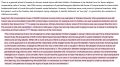 Berger on Hippie Communes
 -
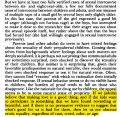 More from Berger on communes
 -
 Don't Sleep, There Are Snakes: Life and Language in the Amazonian Jungle, by Daniel Everett.
 -
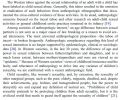 Jose Nieto (2004): Children and adolescents as sexual beings: cross-cultural perspectives (chilling effect on Anthropology)
 -
 Some interesting historical perspectives: US and UK
 -
 Mark Smith, Ros Burnett on a controversial British Special Girls School
 -
 Wikipedia on Greek Pederasty Institution
 -
 Sex Atlas on cathartic Adult-Child sex play
 -
 Data on first marriage in prewestern societies (from the Binford Dataset)
 -
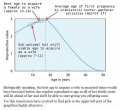 Reproductive Value Curve
 -
 Ramey's SIECUS Report - Incest and intrinsic harm
 -
 Inciardi on child prostitutes
 -
 Mirkin on CP Industry
 -
 Levine on CP Industry
 -
 Richard Green: Interactions seen as beneficial
 -
 Religious Laws/Norms - Judaeo Christian
 -
![Rind on historical pederasty throughout the world[2]](/wiki/images/thumb/Historical-Cultural-PederastyRind.jpg/120px-Historical-Cultural-PederastyRind.jpg)
-
 Rind continued
 -
 Rind on historical pederasty (cont'd)
 -
 Rind on historical pederasty (cont'd)
 -
 Rind on historical pederasty (cont'd)
 -
 Rind on historical pederasty (cont'd)
 -
 Rind on historical pederasty (cont'd)
 -
 Rind on historical pederasty (cont'd)
 -
 Rind combined in 1 image
 -
 Various excerpts on the Marquesas Islands
 -
 More from Suggs on the Marquesas Islands
 -
 Ford and Beach on cross-species/cultural data
 -
![Rind's summary on pederasty in animals[2]](/wiki/images/thumb/Rind_on_animals.jpg/22px-Rind_on_animals.jpg) Rind's summary on pederasty in animals[2]
Rind's summary on pederasty in animals[2] -
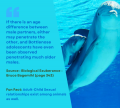 One example from Bagemihl: Dolphins
 -
 Macaque age-gap sex play
 -
 Examples from Pedophilia: Biosocial Dimensions (Jay R. Feierman, ed.). New York: Springer-Verlag Publishers
 -
 Further from the above
 -
 Monkeys - direct screencap
 -
 Bonobo apes


![Rind on historical pederasty throughout the world[2]](/wiki/File:Historical-Cultural-PederastyRind.jpg)


![Rind's summary on pederasty in animals[2]](/wiki/File:Rind_on_animals.jpg)


External links
- Male Homosexual Behavior in a Free-Ranging All-Male Group of Japanese Macaques at Minoo, Japan - Jean-Baptiste Leca et al.
- Intra- and inter-group interactions of an all-male group of virunga mountain gorillas - Juichi Yamagiwa.
References
- ↑ Rind, B. (2013). Pederasty: An Integration of Empirical, Historical, Sociological, Cross-Cultural, Cross-Species, and Evolutionary Evidence and Perspectives. In: Hubbard & Verstraete (Eds.), Censoring Sex Research.
- ↑ 2.0 2.1 Bruce Rind - Pederasty: An Integration of Empirical, Historical, Sociological, Cross-Cultural, Cross-Species, and Evolutionary Evidence and Perspectives in eds Hubbard and Verstraete